
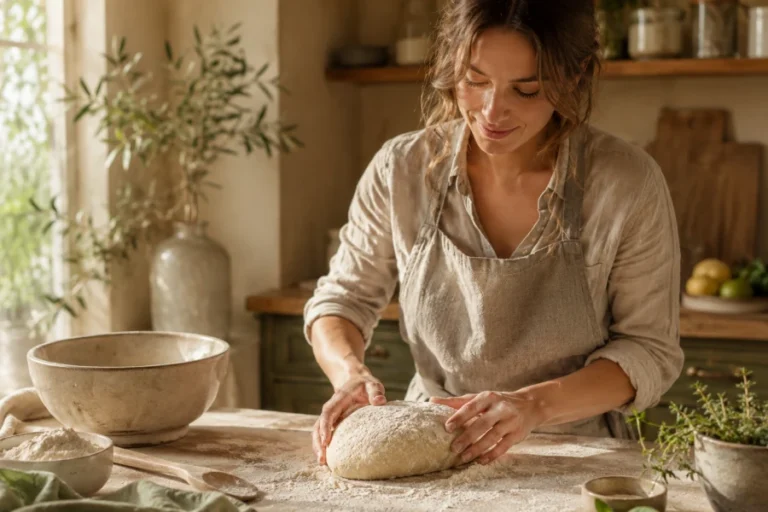
Easy homemade bread turns a regular kitchen into a warmer, slower, more inviting place. The change begins before the loaf is done. Flour dusts the counter. Yeast softens in water. Dough stretches under your palms. A simple recipe starts feeling like a small promise. You do not need advanced skills to enjoy that moment. You need clear steps and a forgiving method. With simple bread recipes, baking becomes something you can return to whenever meals need more comfort.
The best baking routine respects real life. Some days allow long rises. Other days need quicker methods. Easy recipes work because they simplify decisions. They use common ingredients. They avoid unnecessary equipment. They make timing easier to manage. You can mix dough after lunch. You can bake before dinner. You can plan around errands, work, and family. Bread should support the day, not dominate it. That balance keeps the practice useful, calm, and repeatable.
A good first recipe should explain what matters most. It should tell you how dough looks. It should describe texture clearly. It should not hide behind expert language. When recipes stay practical, confidence grows faster. New bakers need enough structure to feel safe. They also need enough flexibility to learn by touch. A loaf beside soup, salad, or roasted vegetables can make dinner feel complete. That is the quiet power of beginner-friendly baking lessons.
Confidence grows because bread gives visible feedback. Dough rises. Crust browns. Steam escapes when you cut the loaf. These signals help you understand progress. Even imperfect loaves usually taste better than expected. That matters. Enjoyable results encourage another attempt. Repetition sharpens instinct. You learn when dough needs rest. You learn when it needs structure. You learn how your oven behaves. The process becomes less about guessing and more about recognizing patterns.
Flavor often improves through small, steady choices. Let dough rest fully. Use enough salt. Avoid adding too much flour during kneading. Let the loaf cool before slicing. Store it correctly after baking. These details sound modest, yet they change the final bite. A better crust creates contrast. A softer crumb makes slices more enjoyable. A good aroma makes the loaf feel special. With a homemade baking routine, those improvements become part of the process naturally.
Once the base recipe feels comfortable, personalization becomes fun. Add herbs for dinner loaves. Try honey for subtle sweetness. Use seeds for texture. Shape rolls instead of one loaf. Brush the crust with butter. Serve thick slices with seasonal jam. These choices make bread reflect your table. They also keep baking fresh without making it complicated. The point is not to perform. The point is to create food that feels useful, generous, and genuinely yours.
A good bread habit survives because it feels worthwhile. Keep yeast stocked. Store flour properly. Save your favorite timing notes. Repeat one recipe until it feels natural. Then add one variation at a time. That approach prevents frustration. It also gives every loaf a purpose. A fresh loaf can support busy breakfasts, cozy dinners, and relaxed weekend meals. The kitchen mood changes because the process slows you down just enough to enjoy what you made.
It also helps to think about bread as part of the meal plan. A loaf can anchor breakfast toast, soup night, picnic sandwiches, and afternoon snacks. That makes the time investment feel more useful. Instead of baking once and wondering what to do next, you already know where the slices will go. Practical use keeps the habit alive. It also prevents waste. When a loaf has several roles, it becomes a kitchen asset rather than a weekend experiment.
Storage deserves attention as well. A soft loaf needs protection from drying out. A crusty loaf needs enough airflow to avoid becoming rubbery. Sliced bread freezes well when wrapped properly. Thicker slices make excellent toast. Stale pieces can become crumbs, croutons, or breakfast bakes. These small aftercare habits extend the value of every loaf. They also make baking feel smarter because the results keep working for you after the oven turns off.
Serving matters too. A loaf feels more satisfying when it has a small ritual around it. Slice it with care. Offer good butter, olive oil, jam, or soup. Let the crust crackle before everyone reaches for a piece. These moments turn ordinary food into something memorable. They also help people appreciate the effort behind the meal. The recipe may be simple, but the experience can still feel special, generous, and worth repeating.



Leave a comment