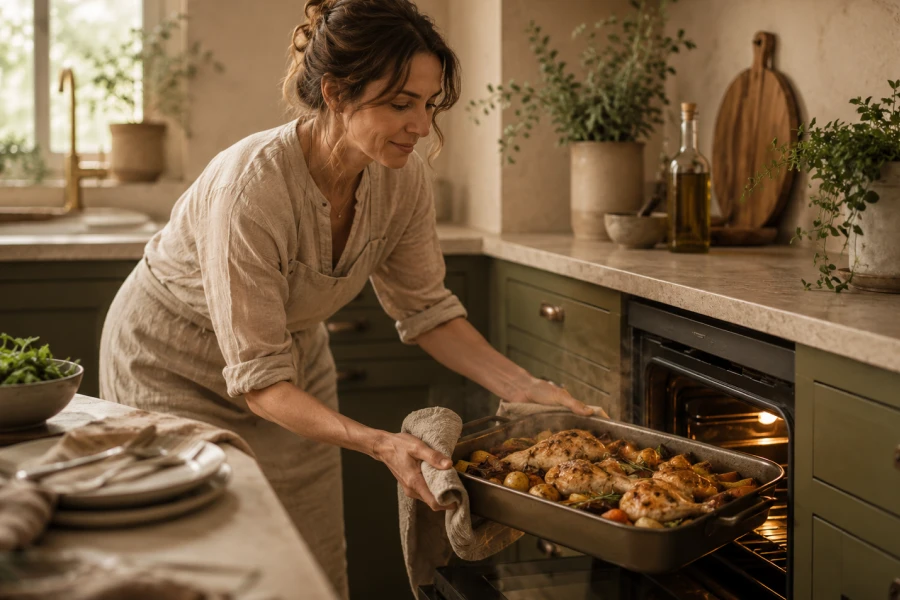
Easy cozy dinners feel especially valuable on nights when the day has already taken too much energy. You want warmth, flavor, and comfort without complicated prep. The best meals in this category do not ask for perfection. They use familiar ingredients. They build flavor in simple stages. They offer enough richness to feel satisfying. They also leave space for a slower evening. A thoughtful comfort food dinner pack can turn tired weeknights into something softer and more enjoyable.
Decision fatigue makes dinner harder than cooking itself. Too many choices can stop the meal before it starts. This style of cooking narrows the path. They rely on practical formulas. Choose a protein. Add a vegetable. Include a starch. Build a sauce or seasoning base. Finish with something bright or creamy. That structure removes guesswork. It also keeps the meal flexible. You can cook with what you have instead of chasing a perfect recipe.
Comfort does not always require slow cooking. Garlic, browned onions, smoked paprika, tomato paste, stock, cream, herbs, and citrus can work quickly. A hot pan creates browning fast. A lid traps steam when ingredients need tenderness. Cheese can finish a skillet meal beautifully. Butter adds roundness. Lemon wakes up rich flavors. These small moves give quick cozy recipes a deeper, more satisfying personality.
Leftovers improve when the original meal has structure. Saucy dishes reheat well. Rice skillets become next-day bowls. Roasted vegetables fold into eggs. Pasta bakes make easy lunches. Beans absorb flavor overnight. These meals can therefore stretch beyond one evening. That saves time and reduces waste. It also makes tomorrow feel easier. A dinner that gives you another meal quietly becomes more valuable than one perfect plate.
A calm pantry supports fast comfort food. Keep pasta, rice, canned tomatoes, broth, beans, and shelf-stable seasonings ready. Add frozen vegetables for backup. Store onions, garlic, and potatoes when possible. Keep one or two favorite sauces available. These ingredients create options without clutter. They also prevent last-minute takeout decisions. A prepared pantry makes dinner feel possible even when motivation is low. That feeling matters more than culinary ambition.
Casual hosting becomes easier with simple comfort meals. A skillet pasta, baked rice dish, or sheet-pan dinner can feed guests without drama. Serve salad, bread, and dessert alongside it. Let the main dish stay humble. People remember warmth more than complexity. This is where stress-free dinner planning shines. It helps you welcome others without turning the kitchen into a performance. The meal feels generous, not fussy.
Freshness comes from small changes. Use different herbs. Change the sauce base. Add seasonal vegetables. Try a new grain. Finish with crunch. Serve the same recipe in bowls one week and on plates the next. Comfort cooking should feel dependable, not repetitive. When you rotate textures, colors, and finishes, comfort stays interesting. The best weeknight meals create calm now and leave you wanting to cook again later.
Presentation can also shift the mood quickly. Serve dinner in shallow bowls. Add a spoonful of sauce over the top. Finish with herbs, crumbs, citrus zest, or grated cheese. Use a warm serving dish when possible. These details take seconds, but they make the food feel cared for. That matters on tired nights. A small visual finish can make a basic meal feel more generous without adding meaningful work.
It is also helpful to keep a few emergency combinations in mind. Pasta with beans and greens. Rice with eggs and vegetables. Potatoes with sausage and onions. Brothy noodles with mushrooms. Toast with a skillet topping. These meals do not require perfect planning. They require a flexible formula and a few stocked ingredients. Having those combinations ready lowers stress before cooking even begins.
Calm cooking also depends on pacing. Start with the ingredient that takes longest. Prepare quick additions while it cooks. Taste before adding final salt. Keep one clean spoon for serving. Let the finished dish rest briefly when possible. These small pauses make the kitchen feel less frantic. They also improve the food. Even a simple meal benefits from rhythm, and that rhythm can make a tired evening feel more manageable.
The real value is emotional as much as practical. A calm dinner can soften the end of a difficult day. It gives people a reason to sit down, breathe, and enjoy something warm together.
That kind of meal earns a permanent place because it supports both appetite and atmosphere. It is practical comfort with very little fuss. The best part is how quickly it becomes repeatable.


Leave a comment