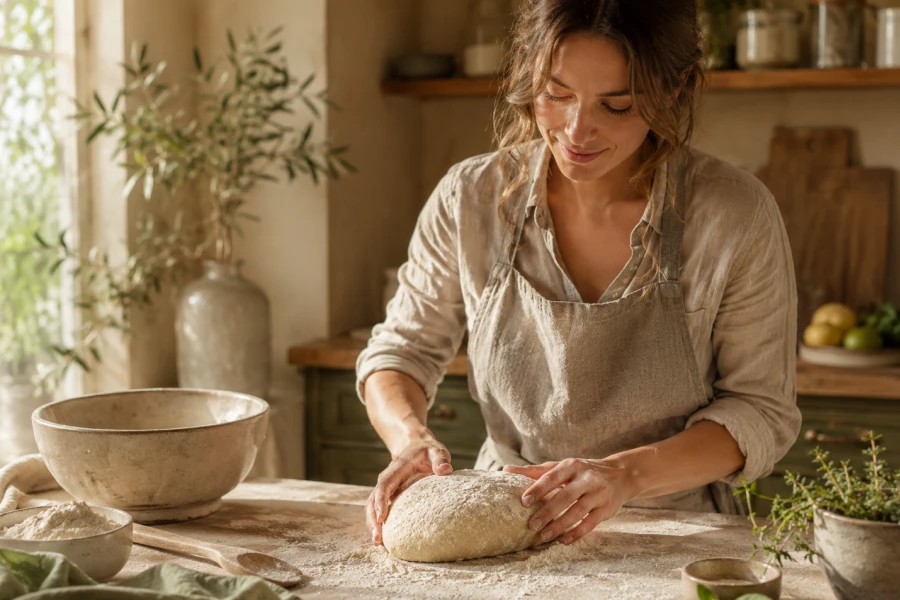
Homemade bread for beginners becomes far less intimidating when the process feels clear, calm, and repeatable. Many new bakers imagine complicated kneading, perfect timing, and mysterious dough behavior. In reality, good bread starts with simple habits. You learn what dough should feel like. You notice how yeast reacts. You understand why patience matters. The kitchen begins to smell warm before the loaf even leaves the oven. That first slice feels personal. It proves that basic ingredients can become something memorable. With the right beginner bread baking plan, the whole experience feels welcoming instead of overwhelming.
The appeal starts with control. You decide the flour, the flavor, and the texture. Store-bought bread rarely gives that same connection. A homemade loaf carries your choices from start to finish. The dough responds to your hands. The crust reflects your oven. Small mistakes become useful lessons, not failures. Fresh bread also changes ordinary meals. Soup feels richer. Breakfast feels slower. Sandwiches taste more intentional. When you follow easy bread making steps, each bake builds confidence without demanding perfection.
A first loaf should not feel like a performance. Start with a small recipe. Choose basic pantry ingredients. Give yourself enough time. Read the whole method before mixing anything. Measure flour carefully. Use warm water, not hot water. Let yeast wake up without rushing. Knead until the dough feels smoother. Rest it somewhere draft-free. Bake when the dough looks ready, not when anxiety says it should. This steady rhythm turns uncertainty into a repeatable home ritual.
Every new baker meets sticky dough, slow rising, or pale crust at some point. These moments teach more than perfect results. Sticky dough may need gentle handling, not extra flour. Slow rising may mean the room is cool. Dense bread may signal impatience before baking. A pale crust may need more oven time. Each issue has a reason. Each reason has a fix. That is why home bread troubleshooting matters. It helps you adjust calmly and keep baking.
Flour, water, yeast, and salt look humble, yet each one shapes the loaf. Flour builds structure. Water activates texture. Yeast creates lift. Salt sharpens flavor. Fresh ingredients make the process easier. Accurate measuring prevents confusion. Good storage protects yeast from losing strength. Even the water temperature can change the rise. Once you understand these basics, recipes stop feeling random. You begin reading dough instead of merely following instructions. That shift makes every future loaf easier.
The habit forms when bread fits normal life. You do not need a perfect kitchen. You need a reliable method. Weekend baking works well for many households. Others prefer evening mixing with morning baking. Some freeze slices for busy days. Others turn leftover bread into croutons, toast, or bread pudding. Flexibility keeps the practice enjoyable. A simple fresh loaf recipe collection can give you variety without forcing complicated techniques too soon.
Enjoyment matters because it keeps you returning to the bowl. Notice the aroma. Watch the crust color. Slice only after the loaf rests. Share the first pieces while they are still special. Then write down what worked. A softer crumb, deeper crust, or stronger flavor can guide your next bake. Progress happens through attention, not pressure. This first baking phase should feel generous, practical, and deeply satisfying. Once that first win happens, the next loaf feels possible before you even begin.
Another helpful move is to plan the bake around a meal, not around an abstract baking goal. A loaf meant for breakfast can lean soft and sliceable. A loaf meant for dinner can have a sturdier crust. This gives the process a purpose. It also makes the reward more immediate. When bread has a place on the table, the effort feels practical. You are not making something impressive for its own sake. You are making food that supports the way you already eat. That mindset keeps the project relaxed.
New bakers also benefit from repeating one recipe several times before changing it. Repetition may sound boring, but it teaches quickly. The first bake shows the method. The second bake reveals timing. The third bake helps you notice texture. After that, variations feel safer. You can add seeds, change the shape, or try a longer rise. Because the base already feels familiar, each change teaches one lesson instead of creating confusion.
One final advantage is emotional. A first loaf creates a sense of capability that carries into other kitchen skills. You stop assuming certain foods belong only to bakeries. You begin trusting your hands, your senses, and your ability to improve. That confidence makes future cooking feel more open. It encourages experimentation without turning dinner into a project. A modest loaf can therefore change more than one meal. It can change how you see your kitchen.




Leave a comment